
Flights To Kampala
Why BookYour South Africa Flight Tickets with Travel Hunters?
At Travel Hunters we believe booking a long‑haul flight should be stress‑free. Here’s why our customers return again and again:
- Best price guarantee – our partnerships with major airlines mean we offer some of the cheapest flights to South Africa. If you find a lower fare elsewhere, let us know and we’ll do our best to match it.
- Flexible search tools – filter results by airline, cabin, stopovers or specific airports. You can set fare alerts to track price drops and book when it suits you.
- ATOL‑protected packages – when you book flights and hotels together, your trip is financially protected under the Air Travel Organiser’s Licence.
- 24/7 customer support – our UK‑based travel experts are on hand to assist with itinerary changes, special requests and last‑minute issues.
- Secure payments – we use industry‑standard encryption to keep your personal and payment details safe.
Book with confidence and let us handle the details so you can focus on planning your safari or city break.
Verified By


Best Places To Visit In Africa
Discover some of Africa’s most inspiring destinations, offering culture, natural wonders, relaxation, and adventure:
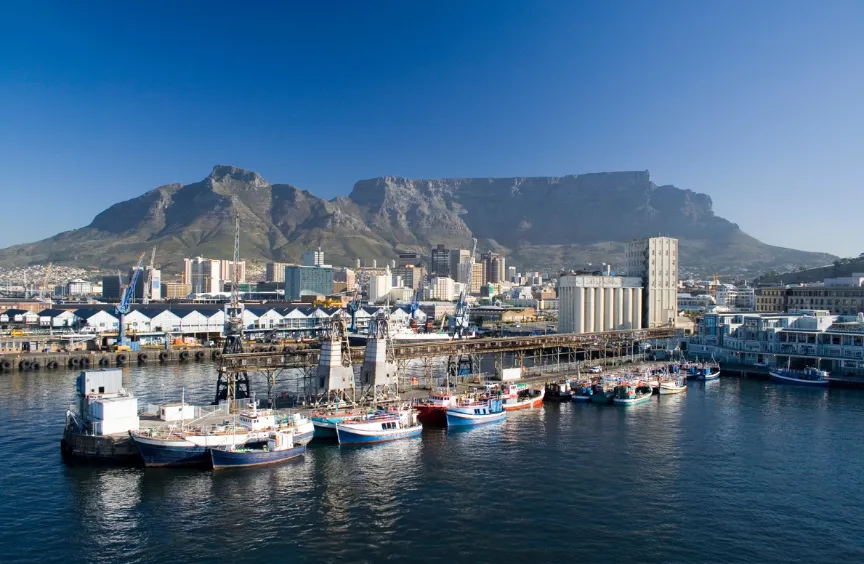
- Cape Town
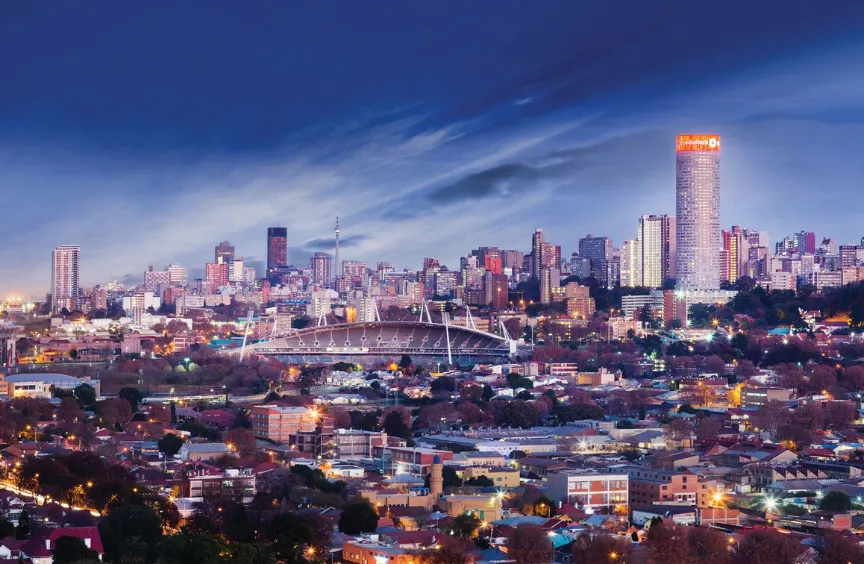
- Johannesburg
Best Flights Fares For You
At Travel Hunters, we provide excellent flight deals from the UK to Africa, ensuring access to top destinations at unbeatable prices. We compare fares from major airlines including British Airways, Qatar Airways, Emirates, Turkish Airlines, EgyptAir, and more—helping you secure the most reliable and cost-effective travel options.


Things You Know Before Travel
Prepare for your journey with confidence! Here are a few essential tips and travel reminders to make your trip smooth, safe, and stress-free — from visa checks to packing smart and managing your budget wisely.
1. Check Visa & Travel Documents
Before booking, make sure your passport is valid for at least 6 months and check if you need a visa for your destination. Keep digital copies of your important documents for quick access.
2. Currency & Budget Planning
Research the local currency and average daily costs. Carry a mix of cash and cards, and inform your bank about your travel to avoid any payment issues abroad.
3. Weather & Packing Essentials
Research the weather for your destination so you can pack appropriately. Warm countries may require lightweight clothing, sunscreen, and hydration essentials, while cooler destinations may require layers and warmer attire.
Cheap Flights to South Africa: Book Affordable Flight Deals Today
Looking for an adventure that combines dramatic landscapes, world‑class safaris and vibrant cities? South Africa offers all this and more. At Travel Hunters we specialise in cheap flights to South Africa from the UK and can help you book your next holiday or business trip at a price you’ll love. Whether you’re planning a safari in Kruger National Park or a city break in Cape Town, our flexible search tools and dedicated travel experts make finding the right flight simple.
Flight Time and Distance to South Africa: How Long is the Journey?
Non‑stop flights from London to South Africa typically take around 11 hours and cover over 5 600 miles (≈9 070 km). For example, a direct service from London Heathrow (LHR) to Johannesburg’s O. R. Tambo International Airport (JNB) usually takes around 11 hours 5 minutes and crosses the equator. Cape Town flights are similarly lengthy; depending on your departure airport and airline, you may find one‑stop connections via Middle Eastern or European hubs. Keep in mind that flight times can vary by season and routing—connecting itineraries may add several hours to your travel time.
Route | Approximate distance | Typical flight time* |
London Heathrow (LHR) → Johannesburg (JNB) | ~5 636 mi (9 070 km) | ≈ 11 h 05 |
London Heathrow (LHR) → Cape Town (CPT) | ~6 000 mi (9 660 km) (via direct or one‑stop routes) | ≈ 11–12 h |
*Times and distances are approximate and depend on aircraft type, routing and winds.
Top Airlines for South Africa Flights: Best Carriers and Connections
Several major carriers operate flights between the UK and South Africa. The main airlines are:
- British Airways – offers non‑stop flights from London Heathrow to Cape Town and Johannesburg In economy you’ll enjoy complimentary meals, drinks and an in‑flight entertainment system. Premium Economy (World Traveller Plus) provides a wider seat and extra leg‑room, while Club World (business class) includes fully flat beds.
- Virgin Atlantic – operates non‑stop flights from London Heathrow to Johannesburg. The airline’s Upper Class cabin features flat‑bed seats and an on‑board lounge; Premium offers additional seat width and a premium menu.
- Emirates – provides one‑stop connections to Johannesburg, Cape Town and Durban via Dubai. Award‑winning service, generous baggage allowances and modern aircraft make it a popular option.
- Qatar Airways – connects via Doha with daily flights to Johannesburg, Cape Town and Durban. Qatar’s Q‑suite business class is renowned for privacy and comfort, and economy class includes good seat pitch and entertainment.
- South African Airways – the national carrier offers regional flights within South Africa and international connections to Johannesburg and Cape Town. Services are often code‑shared with partners like Lufthansa and Virgin Atlantic.
When comparing flights, look at total journey time, stopover duration and baggage allowances (see below). Non‑stop flights tend to be more convenient but one‑stop routes can sometimes offer lower fares and more flexible schedules.
Travel in Style: Economy, Premium Economy, and Business Class to South Africa
Flying long‑haul to South Africa can be comfortable if you pick the right cabin:
- Economy – Perfect for budget‑conscious travellers, economy cabins usually offer free meals, soft drinks, wine and a personal entertainment screen. Seat pitch is generally around 31–32 inches. On flights with British Airways and Virgin Atlantic you can pre‑select seats and pay for extra‑legroom seats.
- Premium Economy – A step up from economy, premium cabins (e.g. British Airways World Traveller Plus or Virgin Atlantic Premium) offer wider seats (≈ 38 inch pitch), more recline, upgraded meals and dedicated check‑in. Some carriers provide priority boarding and an amenity kit.
- Business Class – If comfort is key, business cabins (e.g. BA Club World, Virgin Atlantic Upper Class, Qatar Q‑suite) provide flat‑bed seats, luxurious bedding, multi‑course dining and access to airport lounges. On some airlines there is also first class, featuring enclosed suites and personal chefs.
Choosing the right cabin depends on your budget and travel style. If you’re flying overnight, Premium or Business can make a noticeable difference in comfort and rest.
Baggage Allowance for South Africa Flights: Luggage Rules and Limits
Baggage rules vary by airline and cabin, so always check your ticket. Below is a general guide for popular carriers:
Airline & Cabin | Hand luggage allowance | Checked baggage allowance* | Sources |
Virgin Atlantic Economy & Premium | 1 piece up to 10 kg in economy/premium | Economy Classic/Delight – one 23 kg bag; Premium Economy – two 23 kg bags | |
Virgin Atlantic Upper Class | 2 pieces (combined 16 kg) with max 12 kg per piece | Two 32 kg bags | |
British Airways Economy | 1 cabin bag + 1 personal item (weight restrictions vary by ticket) | One 23 kg bag | |
British Airways Business/First | Two cabin bags | Two 32 kg bags (first class); two 23 kg bags (business) | |
Qatar Airways Economy | 1 bag up to 7 kg | Two 23 kg bags | |
Qatar Airways Business/First | Two cabin bags | Two 32 kg bags |
*Airlines may change their policies; always check your e‑ticket for the most up‑to‑date rules.
Remember to consider baggage for domestic flights within South Africa, as regional carriers often impose lower limits. Packing light also makes it easier to navigate airports and internal transfers.
Best Time to Fly to South Africa: Finding the Cheapest Flight Months
South Africa’s climate varies by region, but there are general seasonal patterns that affect both weather and flight prices:
- May–September (dry season) – Many regions, including Johannesburg and safari parks, experience cooler, dry conditions. Wildlife viewing is excellent as animals gather around waterholes. Airfare tends to be lower outside the peak European summer holidays.
- November–February (summer) – This is South Africa’s summer. Temperatures soar (often above 30°C), and the rest of the country (excluding the Cape) sees afternoon thunderstorms. Cape Town enjoys hot, dry weather during these months. Airfares may rise around December holidays.
- Shoulder seasons (April–May & September–October) – These months offer a balance of pleasant weather and lower prices. April/May and September/October are ideal for combining regions; you’ll avoid the extreme heat and heavy rains. Travellers can often find cheaper flights as demand is lower.
For the cheapest flight deals, avoid UK school holidays and book early. According to flight experts, the “Goldilocks window” for international flights, including African destinations, is typically two to eight months before departure; during busy seasons (June–October) it’s best to book four to ten months in advance.
South Africa Weather Guide: Forecasts and Packing Tips for Travellers
Because South Africa spans several climate zones, packing will depend on your itinerary:
- Cape Town & Western Cape – The rainy season here is June–August, with cool, wet winters. Summer (November–February) is dry and sunny. Pack layers, a waterproof jacket and a hat for sun protection.
- Johannesburg & Highveld – Summers (November–March) bring afternoon thunderstorms; winters (May–September) are dry with chilly nights. Bring a light jacket for evenings and a raincoat for summer showers.
- Kruger & Safari areas – Dry winters (May–September) are best for game viewing. Days are warm but nights can be cold, so pack layers, a fleece and a hat. In summer, expect hot days and high humidity.
- Coastal KwaZulu‑Natal – Warm year‑round with summer rainfall. Light clothing, swimwear and a rain jacket are essential.
General tips: use high‑SPF sunscreen, insect repellent (especially for malaria areas), comfortable walking shoes and a good hat. If you’re travelling in winter, note that evenings can be cold—even in the desert.
Discover South African Culture: Local Traditions, Cuisine, and History
South Africa is known as the Rainbow Nation due to its rich blend of African and European heritage. With 11 official languages and diverse ethnic groups, cultural etiquette varies by region. The philosophy of Ubuntu, emphasising community and mutual respect, is central to daily life. A few key aspects to know:
- Braai culture – South Africans love a braai (barbecue) where friends and family gather around a grill. It’s customary to bring drinks or snacks to share.
- Dining etiquette – In rural areas, pap (maize porridge) and braaied meat are often eaten with hands. Tipping 10–15 % at restaurants is standard.
- Respect for elders – Greeting elders politely and using a relaxed tone shows respect.
- Ubuntu and community – Many communities uphold mutual support and hospitality.
South Africa’s cuisine is equally varied. Must‑try dishes include:
- Braai – An assortment of meats (boerewors sausage, lamb chops, chicken wings) grilled over wood or charcoal, often served with pap and chakalaka.
- Bunny Chow – A hollowed‑out loaf of bread filled with spicy curry, originally from Durban’s Indian community.
- Bobotie – Cape Malay baked dish of curried minced meat topped with egg custard, served with yellow rice and chutney.
- Vetkoek – Deep‑fried dough buns with savoury or sweet fillings.
- Biltong – Cured dried meat (beef, ostrich or game) eaten as a snack.
- Malva pudding – Rich sponge cake soaked in caramelised sauce.
Try a glass of rooibos tea, Amarula liqueur or locally brewed beer (umqombothi) for an authentic taste of South Africa.
Major Airports in South Africa: Your Guide to International Gateways
South Africa’s airports are modern and well equipped, providing easy access to major cities and tourist regions:
- Cape Town International Airport (CPT) – The country’s second‑busiest airport lies about 20 km from the city centre. It has domestic and international terminals connected by a common lounge and offers shops, restaurants, car‑rental services and currency exchange. Sustainability initiatives include solar power and water‑saving systems.
- O. R. Tambo International Airport (Johannesburg) (JNB) – Africa’s busiest airport, situated roughly 23 km north‑east of Johannesburg. Multiple terminals serve domestic and international flights; there are numerous lounges, duty‑free shops and ATMs. Enhanced security measures ensure passenger safety.
- King Shaka International Airport (Durban) (DUR) – Located about 35 km north of Durban, this modern airport opened in 2010. Its single passenger terminal handles both domestic and international flights. Facilities include restaurants, a duty‑free shop, car‑rental desks and a tranquil viewing deck. Sustainability features include rainwater harvesting and energy‑efficient lighting.
Domestic flights and regional airports (e.g., Port Elizabeth, East London, Bloemfontein) link major cities and national parks, making multi‑destination itineraries straightforward.
Top Attractions in South Africa: Must‑Visit Places and Landmarks
Whether you’re a first‑time visitor or a returning traveller, South Africa’s attractions are unforgettable:
- Kruger National Park – One of Africa’s premier safari destinations, offering the chance to see the Big Five (lion, leopard, elephant, rhino and buffalo). Private reserves bordering the park allow more exclusive game drives.
- Apartheid Museum (Johannesburg) – A moving and informative museum that tells the story of apartheid through interactive exhibits and film.
- Robben Island – The former prison off Cape Town where Nelson Mandela was held. Guided tours visit the cell blocks and ferry rides include views of Table Mountain.
- Garden Route – A scenic coastal drive from Mossel Bay to Tsitsikamma, dotted with beaches, forests, and towns like Knysna and Plettenberg Bay.
- Table Mountain – Cape Town’s iconic flat‑topped mountain reachable via cable car or hiking trails. The summit offers panoramic views of the city and ocean.
- Winelands (Stellenbosch & Franschhoek) – Visit wineries and sample some of South Africa’s finest wines. Many estates combine tastings with gourmet dining and art exhibits.
- Wild Coast – A rugged coastline with green hills, bays, beaches and a strong Xhosa cultural presence.
- Addo Elephant National Park – Near Port Elizabeth, this reserve protects elephants and many other species.
- Blyde River Canyon & Drakensberg Mountains – Dramatic landscapes ideal for hiking, canyoning and adventure activities.
For city‑specific attractions like Table Mountain, Cape Point or Johannesburg’s Maboneng precinct, explore our dedicated Cape Town and Johannesburg pages.
Where to Stay: Best Hotels and Luxury Accommodation in South Africa
South Africa offers accommodation to suit every taste—from boutique guesthouses to world‑class resorts. Here are some standout options highlighted in 2025 travel guides:
Hotel & Location | Highlights | Sources |
Cape Grace – V&A Waterfront, Cape Town | Reopened on Cape Town’s iconic waterfront after a design transformation. Offers 112 rooms & suites with views of the harbour, marina or Table Mountain, plus a serene spa, heated outdoor pool, fitness centre and complimentary chauffeur service. Chef Gregory Czarnecki leads the Heirloom restaurant serving South African‑inspired tasting menus. | |
12 Apostles Hotel & Spa – Camps Bay, Cape Town | Set between the Atlantic Ocean and the Twelve Apostles mountain range, this hotel offers 70 rooms & suites, two restaurants (including the fine‑dining Azure), a relaxed café and the award‑winning Sanctuary Spa. Complimentary shuttles take guests to the V&A Waterfront. | |
Labotessa Luxury Boutique Hotel – Cape Town CBD | Housed in a 17th‑century building near Church Square, this intimate hotel has just eight suites, including a three‑bedroom penthouse with a private plunge pool and terrace. Guests enjoy all‑day dining at the café and easy access to city attractions. | |
Le Quartier Français – Franschhoek | Boutique hotel with 21 individually styled rooms & suites and two distinguished restaurants (Protégé and Épice). Guests also have access to the Leeu Spa & fitness centre at nearby Leeu Estates. | |
Sandton Sun – Johannesburg | In the heart of Sandton’s business district, this large property has 326 rooms, a rooftop pool and spa, multiple dining options and direct access to Sandton City mall. Ideal for business travellers needing a central location. |
These hotels represent just a handful of the superb lodging options available. From opulent safari lodges in Kruger to boutique vineyard retreats in the Winelands, there’s accommodation to suit every budget and style.
Expert South Africa Travel Tips: Pro Hacks for a Smooth Journey
- Book early – Aim to secure flights two to eight months before travel (four to ten months for peak safari season) to access the best fares and seat availability.
- Check visas & vaccinations – UK passport holders currently receive 90‑day visa‑free entry, but passports must be valid for at least 30 days beyond departure and have two blank pages. Some regions require malaria prophylaxis; consult your GP well before departure.
- Plan your itinerary – South Africa is vast. Combine a safari, city break and beach time but avoid trying to see everything in one trip. Domestic flights and car hire make multi‑centre trips easy.
- Stay safe – Exercise the same precautions you would in any major city. Keep valuables secure, avoid isolated areas at night and use reputable tour operators for excursions.
- Driving tips – South Africans drive on the left‑hand side. Roads are generally in good condition but watch out for potholes in rural areas and stray wildlife in game reserves.
- Currency & payments – The local currency is the South African Rand (ZAR). Credit and debit cards are widely accepted, but carry some cash for small vendors. Tipping in restaurants, bars and for guides is customary (10–15 %).
- Connectivity – Purchase a local SIM card or eSIM on arrival for affordable data. Free Wi‑Fi is available in most hotels and restaurants.
With careful planning and these insider tips, your journey to South Africa will be smooth and memorable. Whether you’re tracking lions in Kruger, sipping wine in Stellenbosch or admiring Cape Town’s sunsets, Travel Hunters is here to help you find the perfect flight and enjoy every moment of your trip.









Frequently Asked Questions
Why are flights to South Africa so expensive?
Several factors push up ticket prices. Aviation taxes and government fees can account for more than 65 % of the fare, while jet‑fuel prices have increased sharply since 2023. Airlines sell seats in price “buckets”; the cheapest fares sell first, so tickets become more expensive as the plane fills. Demand remains high as carriers rebuild capacity, which also keeps fares up. Exchange‑rate fluctuations such as a weak rand can make tickets bought in foreign currency more costly.
When are flights to South Africa cheapest?
Price‑comparison site RatePunk notes that June is generally the cheapest month to travel to South Africa. Flying mid‑week tends to be cheaper; Wednesday departures often cost less than weekend departures. Booking on a Tuesday is frequently when airlines release discounted fares. Shoulder seasons (May and September) also see lower demand, meaning lower prices.
How much do flights to South Africa cost?
According to RatePunk, return flights from the UK to South Africa typically cost between US$800 and US$1 500 (about £640–£1 200 at current exchange rates). Prices rise sharply in December and January because of holiday travel and coastal tourism demand. Cheaper deals are more common outside the peak summer and Christmas holidays.
How long does it take to fly to South Africa?
A direct flight from London Heathrow to Johannesburg covers about 5 670 miles (9 123 km) and takes roughly 11 hours 10 minutes. Non‑stop services are offered by British Airways and Virgin Atlantic, while connections via the Middle East or Europe can add several hours to the journey.
How much is a flight to South Africa from the UK/London?
The cost depends on season, booking time and cabin class. For economy‑class tickets, typical round‑trip prices from London or other UK airports range from £640 to £1 200 (equivalent to US$800–1 500). Flying during school holidays or at short notice can push fares above this range. Booking well in advance and choosing mid‑week travel dates helps secure the lower end of the range.
Are there direct flights to South Africa from Perth?
Yes. In December 2025 Qantas launched flight QF65 between Perth and Johannesburg, creating the first direct link between Western Australia and South Africa. The service operates three times per week using Airbus A330 aircraft and takes about 11 hours 15 minutes. Before this, travellers from Perth typically connected through another hub such as Sydney or Singapore.